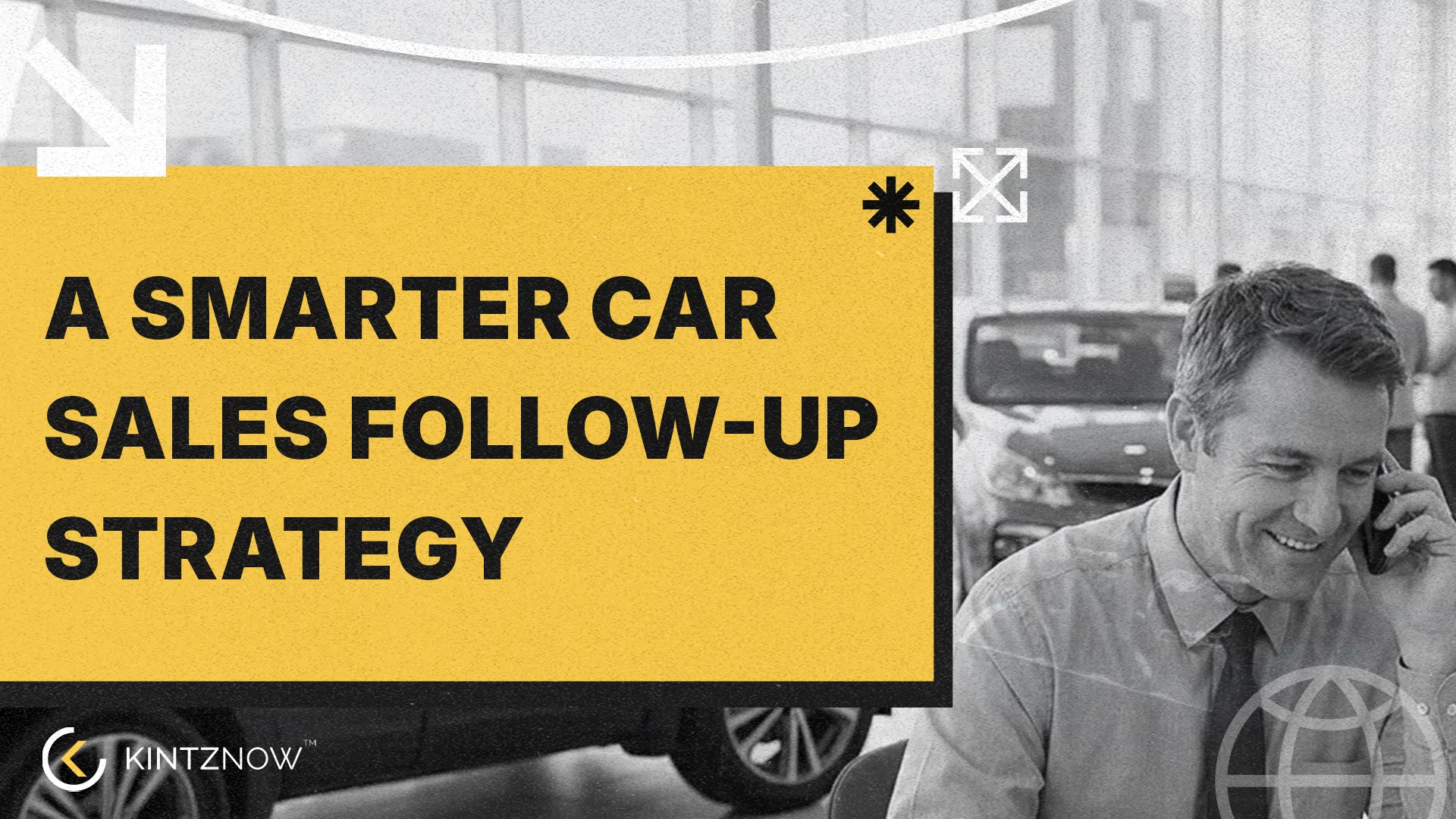
Behind every successful car deal is a strong follow-up strategy. For most unsold showroom traffic customers, their first visit may not always end in a decision to buy the vehicle. Often, they still need to think through their options, compare vehicles, and shop around.
Having a strong car sales follow-up strategy helps keep the deal alive long after the customer has left the showroom. It also gives salespeople a way to remain helpful to customers without being pushy or annoying.
It’s important to note, however, that some follow-up strategies work better than others.
The Difference Between Following Up and Chasing After Car Buyers
In the car business, following up is not the same as chasing after a customer. The difference comes down to intent, timing, and value. A good car sales follow-up strategy takes the sales process into consideration. Meanwhile, chasing usually ignores where the customer is in the process and focuses only on getting them to act.
Following up has a clear purpose behind it. It connects to what the customer already said, asked, or showed interest in. It also helps guide the customer toward the next step without making them feel pressured.
On the other hand, chasing usually happens when the salesperson is trying to get any response, even when there is nothing new to offer. The calls, texts, and emails may become repetitive, and the customer may begin to feel like the dealership is only focused on closing the sale.
Why Chasing Customers Can Push Them Away
Customers do not want to feel rushed, especially when they are making a large purchase. When follow-up becomes too repetitive or too focused on asking for a decision, the customer may start to pull back.
This often happens when every message sounds the same. A salesperson may keep asking if the customer is still interested, but the customer does not receive any new information that helps them move forward. Over time, the communication starts to feel more like pressure than support.
A strong car sales follow-up strategy avoids this by making sure every touchpoint has a reason. That reason might be answering a question, sharing a helpful detail about the vehicle, offering a new option, or setting a clear next step.
The goal is not to contact the customer as many times as possible. The goal is to stay useful enough that the customer wants to keep the conversation going.
A Better Car Sales Follow-Up Strategy
A better follow-up approach starts with speed, but it does not stop there. When a lead comes in, the first response should happen while the customer is still engaged. Waiting too long makes it easier for the customer to move on or start a conversation with another dealership.
After the first response, the focus should shift to value. Instead of sending another generic check-in, the salesperson should build on what the customer already shared. If the customer asked about a vehicle, the follow-up can include a short walkaround video or a detail about the features they cared about. If the customer mentioned payments, the follow-up can provide helpful information about options.
A smart car sales follow-up strategy also uses more than one communication channel. Some customers prefer text, while others respond better to email or phone calls. Using a mix of channels helps the salesperson stay connected without relying too heavily on one method.
Following Up in a Car Dealership the Right Way
Good follow-up should feel like a continuation of the customer’s last conversation with the dealership. It should not feel like the salesperson is starting over every time they reach out.
This means each message should connect to something specific. A salesperson might reference the vehicle the customer drove, the trade-in they mentioned, or the question they asked about financing. That kind of detail makes the follow-up feel personal without being overly complicated.
A strong car sales follow-up strategy should also include clear next steps. Before a customer leaves the lot or ends a call, the salesperson should try to set a specific time for the next conversation. This makes the next follow-up feel expected instead of random.
When follow-up is handled this way, the customer feels guided rather than chased. That small difference can have a big impact on how they respond.
How to Move From Chasing to Following Up
Moving from chasing to proper follow-up starts with changing the purpose of each message. Instead of asking for a decision every time, the salesperson should think about what the customer needs next.
A customer who has gone quiet may not need another “just checking in” message. They may need a better option, a clearer answer, or a simple question that makes it easier to respond. For example, asking whether the previous vehicle was close to what they wanted can open the conversation without adding pressure.
Using the CRM properly also helps. A CRM can remind the salesperson when to reach out, what was discussed last, and where the customer is in the process. This keeps follow-up consistent and prevents it from becoming random.
A better car sales follow-up strategy gives the salesperson structure, but it still leaves room for a natural conversation.
Final Thoughts
Follow-up is not the problem in car sales. The problem is follow-up that becomes repetitive, rushed, or disconnected from what the customer actually needs.
A strong car sales follow-up strategy helps the salesperson stay present without sounding desperate. It keeps the conversation moving by focusing on timing, value, and clear next steps.
When follow-up is done well, the customer feels supported through the buying process, which makes it easier for them to stay engaged with the dealership.